Source Diesel Used Bus for School, Coach, and City Transport
Compare 22 diesel used bus listings with varying seat capacities, power ratings, and emission standards. Buyers can evaluate manual transmission models from China with customization options and specific dimensions for school, coach, or city transport needs; compare the available evidence and request quotations based on your requirements.
Key considerations
Products List


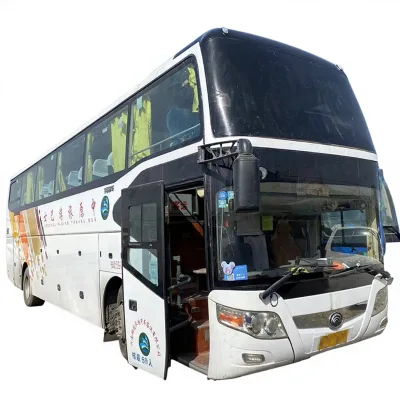
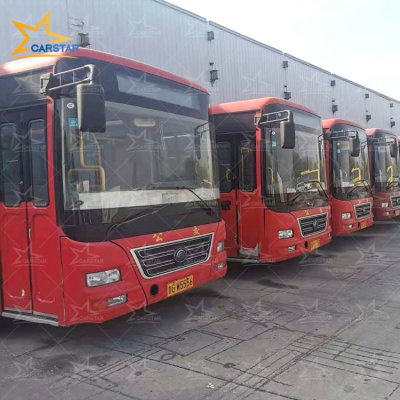
Comprehensive Sourcing Guide
Diesel Used Bus Sourcing Guide
Procuring a diesel used bus requires a disciplined approach to verifying mechanical integrity and operational history. Buyers must prioritize vehicles with documented maintenance records to ensure reliability in high-utilization environments. The observed market signals indicate a strong presence of models from China, with specific attention to structural configurations like single-deck and low-floor designs. These attributes directly influence accessibility and passenger capacity, making them critical initial filters for any sourcing strategy.
The available inventory spans a wide range of seat capacities, typically between 31 and 70 seats, catering to diverse transit needs. Models such as the XMQ6113 and ZK6110 represent common configurations in this segment, offering varying dimensions and power outputs. Sourcing agents should focus on verifying the actual mileage, which often falls within the 10,000 to 30,000 km range for these units, to accurately assess remaining service life and potential maintenance intervals.
Product Scope and Observed Listing Signals
The current market for diesel used buses presents a diverse array of options, primarily characterized by manual transmission systems and integral power steering. Listings frequently highlight customization availability, allowing buyers to tailor interior layouts or exterior features to specific operational requirements. The observed price range of $4,399 to $60,000 USD reflects significant variation based on model year, condition, and specific technical specifications, necessitating careful comparison of value propositions across different suppliers.
Minimum order quantities are generally low, often ranging from one to two units, which facilitates flexible procurement for smaller transit operators or educational institutions. The products are predominantly described as used, with some listings noting specific conditions like "ISOCondition:Used" or "CCC" certifications. Buyers should interpret these signals as indicators of the vehicle's status rather than guarantees of performance, requiring further due diligence to confirm the actual mechanical state and compliance with local regulations.
Technical Specifications to Verify
Engine capacity and power output are critical technical parameters that determine the bus's performance under load. Observed specifications include engine capacities greater than 8 liters, with maximum power outputs ranging from 180 kW to 243 kW. Torque figures vary significantly, with some units offering 345 N.m while others provide up to 1250 N.m, directly impacting acceleration and hill-climbing capabilities. Buyers must verify these figures against the vehicle's actual VIN and service history to ensure they match the listed claims.
Dimensions and seating arrangements also play a vital role in operational suitability. Standard dimensions observed include lengths around 10,400 to 12,000 mm, with widths near 2,450 to 2,550 mm. Seat capacities are listed in various ranges, such as 39-70 or 45-60, depending on the specific model and interior configuration. Steering positions are available in both RHD and LHD variants, requiring alignment with local traffic laws. Verification of these physical attributes is essential to ensure the bus fits within depot constraints and meets passenger demand.
Compliance and Safety Documentation
Certification status is a primary concern for international buyers, with CCC and ISO certifications frequently mentioned in listings. These documents indicate adherence to specific manufacturing and quality standards, though their applicability to the buyer's destination market must be independently verified. Buyers should request original certification copies and cross-reference them with local regulatory bodies to ensure the vehicle can be legally registered and operated. The presence of emission standards, such as Euro classifications, is also crucial for environmental compliance in many regions.
Safety features and structural integrity must be confirmed through detailed inspection reports. The listings mention structures like single-deck and low-floor designs, which impact emergency exit accessibility and passenger flow. Buyers should verify the condition of critical safety components, including braking systems, lighting, and fire suppression equipment. Additionally, the intelligence systems, such as BRT compatibility, should be checked for functionality and integration with existing fleet management software to ensure seamless operational deployment.
Cost Drivers and Commercial Terms
The total cost of ownership extends beyond the initial purchase price, encompassing shipping, customs duties, and immediate maintenance needs. The observed price range suggests that factors like model age, mileage, and specific features significantly influence the final cost. Buyers should budget for additional expenses related to reconditioning, such as tire replacement, fluid changes, and brake inspections, which are common for used vehicles in the 10,000-30,000 km range. Understanding these hidden costs is vital for accurate financial planning.
Commercial terms, including payment methods and delivery schedules, vary among suppliers. While specific lead times are not uniformly disclosed, buyers should negotiate clear terms regarding inspection rights and return policies. The low MOQ allows for trial purchases, but buyers must ensure that contracts include provisions for quality assurance and dispute resolution. Clarifying responsibilities for loading, insurance, and unloading is essential to avoid unexpected logistical costs and delays in receiving the vehicle.
Supplier Qualification and Quality Control
Evaluating supplier credibility is paramount when sourcing used buses, as the market contains a mix of reputable dealers and less experienced intermediaries. Buyers should prioritize suppliers who provide comprehensive vehicle history reports, including previous ownership, accident records, and maintenance logs. Verification of the supplier's business license and export credentials is necessary to ensure legal compliance and reduce the risk of fraud. Engaging with suppliers who offer transparent communication and detailed product descriptions is a strong indicator of reliability.
Quality control measures should include third-party inspections before shipment, focusing on engine performance, chassis integrity, and electrical systems. Buyers should request video walkthroughs and detailed photos of the vehicle's interior and exterior to assess wear and tear. Establishing a clear protocol for addressing discrepancies between the listed specifications and the actual vehicle condition is crucial. Implementing these checks helps mitigate risks and ensures that the purchased bus meets the required operational standards.
Long-Term Procurement Checks
Post-purchase verification is essential to ensure the bus performs as expected in its new operational environment. Buyers should conduct a thorough mechanical inspection upon arrival, comparing the vehicle's condition against the pre-shipment reports. This includes testing the transmission, steering, and braking systems under various load conditions to identify any latent issues. Regular maintenance schedules should be established immediately to preserve the vehicle's condition and extend its service life.
Monitoring the bus's performance over time allows for proactive management of potential problems. Tracking fuel efficiency, maintenance costs, and downtime helps in evaluating the overall value of the procurement. Buyers should maintain open communication with the supplier for warranty claims or technical support, if applicable. Continuous feedback on the vehicle's performance can also inform future purchasing decisions, helping to refine sourcing strategies and improve long-term fleet reliability.
FAQs
What is the seat capacity range for these diesel used buses?
The seat capacity ranges from 39 to 70 passengers depending on the specific model configuration. Some units offer 45 or 50 seats, while others accommodate up to 70. This flexibility allows buyers to select a bus that matches their exact passenger volume requirements for school or coach transport.
Can I customize the diesel used bus to my specific needs?
Yes, customization is available for these diesel used buses. Buyers can request specific modifications to meet operational requirements. This service ensures the vehicle aligns with local regulations or company standards. Contact suppliers directly to discuss available customization options and ensure the final product meets your exact specifications.
What is the maximum power output for these diesel buses?
The maximum power output varies between 180kw and 243kw across different models. Higher performance units deliver 243kw with 1250n.M torque, while others offer 191kw or 217kw. These power levels ensure adequate performance for various road conditions and passenger loads, providing reliable operation for daily transport duties.
Which emission standards do these diesel used buses meet?
These buses meet Euro emission standards, ensuring compliance with environmental regulations. The diesel engines are designed to reduce harmful emissions while maintaining efficiency. Buyers should verify the specific Euro standard for each unit to ensure it matches local legal requirements for operation in their target market or region.
What is the typical mileage for these used diesel buses?
The typical mileage ranges from 10,000 to 30,000 kilometers. This relatively low mileage indicates the buses are in good condition with significant remaining service life. Buyers can expect reliable performance and lower maintenance costs initially, as the vehicles have not undergone extensive high-mileage wear and tear.
What certifications are provided for these diesel used buses?
These buses come with CCC and ISO certifications, ensuring quality and safety standards. The ISO certification indicates adherence to international management systems, while CCC confirms compliance with specific regional requirements. These documents provide buyers with confidence in the vehicle's quality and regulatory compliance for safe operation.